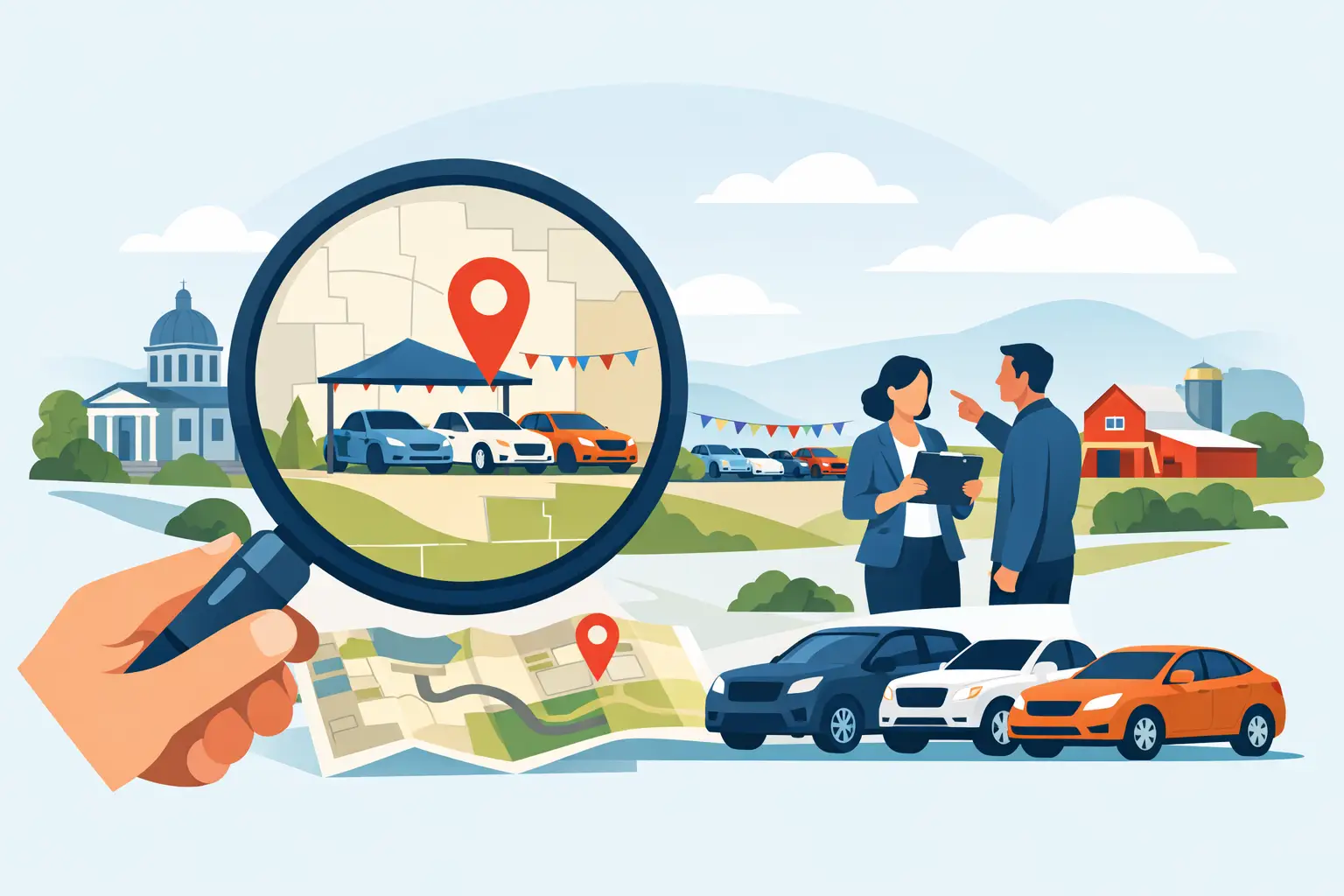
County vehicles do not usually appear on a single, easy-to-find lot with a permanent sales sign. A pickup may be retired from a road department fleet, a sedan may come from an administrative office, and an impounded SUV may be sold through a contracted auction company. If you want to locate county vehicle sales, the real work is finding the agency, sale channel, and auction date that apply in your area.
That work can pay off for buyers who are patient and prepared. County auctions can include sedans, police-package vehicles, cargo vans, work trucks, SUVs, utility trailers, and equipment. They can also be a practical source for small businesses that need an additional service vehicle. But these are auctions, not traditional used-car dealerships. Vehicles are commonly sold as-is, inspections can be limited, and the buyer is responsible for understanding the terms before bidding.
Where County Vehicles Come From
Counties sell vehicles for several different reasons. The most predictable source is surplus fleet inventory. A county may replace aging patrol cars, maintenance trucks, transit vans, parks department equipment, or office vehicles on a regular schedule. These units may have service records and clear ownership documentation, but they can also have high mileage, idle hours, cosmetic wear, or equipment removed before sale.
Impound and abandoned vehicle sales are different. A sheriff’s office, county police department, or contracted towing provider may offer vehicles that were not reclaimed. Their condition and paperwork can vary widely. Some may be ready for a basic inspection and repair; others may require towing, mechanical work, or a title process that takes time.
Seized vehicles are another category, although availability depends on local enforcement activity and agency policy. Do not assume a seized vehicle is low-mileage, problem-free, or offered below market. The auction format creates its own price pressure, particularly when a vehicle is popular, starts, runs, and has a clean-looking body.
How to Locate County Vehicle Sales by Area
Start with the county where you live, then widen your search to nearby counties and metro areas. A vehicle auction 30 to 75 miles away may be more useful than one in your home county if it has a better inspection process or a larger inventory. Buyers in a major metro area should check the surrounding counties as well, since fleet operations and impound policies often differ across county lines.
The usual places to look are county procurement or purchasing departments, surplus-property pages, sheriff or police auction notices, public works fleet departments, and tax or finance offices. Some counties conduct sales themselves. Others send their vehicles to a regional auctioneer, an online public-auction platform, or a local impound auction. The county may post only a brief notice while the full vehicle list appears elsewhere.
Search terms should be specific enough to filter out ordinary dealer inventory. Try your county name with phrases such as “surplus vehicles,” “fleet auction,” “impound auction,” “sheriff vehicle sale,” or “public auto auction.” Include neighboring county names when inventory is thin. If you are searching around a ZIP code, focus on a reasonable driving radius and confirm whether the auction requires in-person pickup.
A research directory can reduce the time spent checking scattered government and law-enforcement sources. GovernmentAuctions.org organizes public auction sources by state, metro area, and ZIP code, helping members identify upcoming vehicle sales without relying on a single county website or an outdated search result. It is still wise to read the actual auction terms for every sale, because registration, deposits, inspection hours, and title procedures are set by the selling agency or auction company.
Confirm the Sale Is Open to the Public
“Public auction” is not always the same as “anyone can bid immediately.” Some sales require advance registration, a refundable bidder deposit, proof of identity, a dealer license for certain inventory, or acceptance of online bidding terms before the sale begins. Other auctions are open to individual buyers but require payment within a short window after the winning bid.
Before making the drive, verify the sale date, viewing period, bidding method, payment rules, buyer fees, and removal deadline. County sales can be postponed, combined with another event, or moved from live bidding to online bidding. A listing is a starting point, not a substitute for checking the current terms.
Read the Vehicle Listing Like a Buyer, Not a Browser
A listing may provide the year, make, model, VIN, mileage, lot number, title status, and a few photos. That information is useful, but it is not a complete condition report. A “runs” note may only mean the vehicle started at one point. A clean exterior photo does not tell you whether the transmission shifts properly, the air conditioning works, or warning lights appear after a test drive.
Pay particular attention to title language. County surplus vehicles often have titles, but impound or abandoned vehicles may be sold with alternative ownership documents depending on state rules. A salvage, rebuilt, bonded, or no-title designation can affect registration, insurance, financing, and future resale options. If the paperwork is unclear, get clarification from the auction source before bidding rather than assuming it can be handled later.
Mileage is another clue, not a verdict. A well-maintained county sedan with highway miles may be a more workable purchase than a lower-mileage unit that sat unused for years. Police vehicles deserve extra scrutiny because idling time, hard use, and removed emergency equipment can all affect condition. Look for mounting holes, altered wiring, worn seats, roof damage, missing trim, and signs that the vehicle needs more than routine service.
Inspect What You Can
Inspection is where disciplined buyers separate a possible bargain from an expensive surprise. If the auction provides a preview day, attend it. Bring a flashlight, a tire-pressure gauge, a small notepad, and a vehicle-history or VIN-check plan if permitted. Check the body panels, tire condition, fluid leaks, glass, lights, interior wear, and obvious warning indicators.
If starting the vehicle is allowed, listen for smoke, rough idle, unusual engine noise, or delayed shifting. Check whether keys are included and whether the battery appears weak. Do not rely on a short startup alone. Some county vehicles have been parked for extended periods, and many are sold without any warranty or post-sale repair option.
You may not be allowed to road-test the vehicle, use diagnostic equipment, or inspect every compartment. That limitation should shape your bid. When information is limited, leave more room in your budget for towing, repairs, tires, keys, title work, and routine maintenance.
Set a Bid Limit Before the Auction Starts
The highest bid is not the total cost. Add the buyer’s premium or administrative fees, sales tax where applicable, registration expenses, transportation, immediate repairs, and any storage charges if pickup is delayed. For an online sale, consider whether you can inspect the vehicle before bidding and how quickly you must collect it.
Set a maximum amount based on the vehicle’s likely condition and your intended use. A contractor who needs a basic work van may accept dents or cosmetic wear but cannot afford an unreliable engine or a delayed title. An everyday buyer may prefer to spend more for a documented fleet unit with clearer history rather than chase the lowest opening bid on an unknown impound vehicle.
Avoid treating the opening bid as an estimate of value. It is simply where bidding begins. Popular trucks, late-model SUVs, and vehicles that start and drive can attract serious competition. If bidding passes your number, let it go. County and municipal inventory changes over time, and another sale may be a better fit.
Plan for Payment and Pickup
Winning bidders generally need to pay promptly and remove the vehicle by a stated deadline. The acceptable payment methods vary, so confirm them in advance. Bring identification, your bidder confirmation, and a trailer or towing plan when the vehicle’s roadworthiness is uncertain.
Do not plan to drive an auction vehicle home until you have confirmed its title status, registration requirements, insurance, and mechanical condition. A vehicle with dead tags, a missing plate, or a title transfer still in process may need to be hauled. Missing the pickup deadline can lead to storage costs or loss of the purchase under the auction rules.
County sales reward buyers who prepare before the listing goes live. Keep a short list of nearby counties, follow their surplus and law-enforcement notices, inspect carefully, and bid only after accounting for the full cost of ownership. The next useful vehicle may not be in your own county, but it is far more likely to be a good decision when you know exactly what sale you are entering and what the paperwork requires.