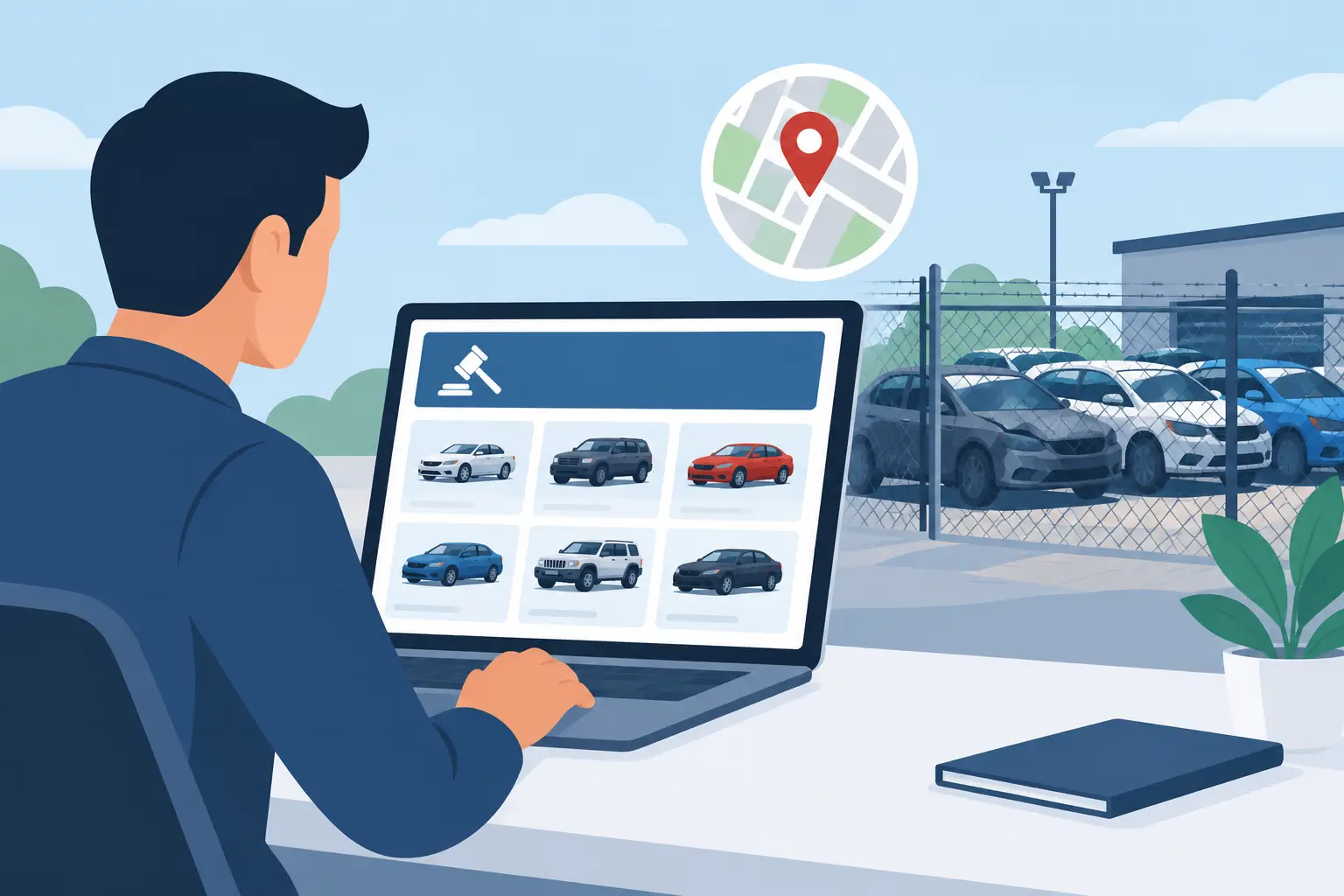
A sedan with a flat tire, a work truck missing keys, and a clean-looking SUV can all appear in the same impound sale. The difference between a workable purchase and an expensive headache usually starts before bidding. When you check impound auction listings, you need more than a photo and an opening bid. You need the auction source, sale rules, vehicle status, and enough time to inspect what is actually being offered.
Impound auctions can be a practical place to look for transportation, project vehicles, work equipment, or resale inventory. They also move quickly, often sell property as-is, and may provide limited information. A careful search helps you focus on auctions you can attend, understand, and realistically buy from.
What impound auction listings actually show
An impounded vehicle is typically one that was towed or held by a city, county, police department, sheriff’s office, parking authority, or contracted towing facility. Reasons vary. A vehicle may have been abandoned, left after an arrest, towed for parking violations, recovered after theft, or held after a traffic stop.
That history matters, but it does not tell you whether the vehicle runs, has a clear title, or is worth the final price. An impound listing is a notice of sale, not a condition report. Some listings include the year, make, model, VIN, mileage, and a short note. Others provide only a VIN or lot number. Photos can be helpful, but they do not replace an in-person look.
Do not assume every government-related vehicle sale is an impound auction. Police-seized property, government surplus fleet vehicles, abandoned vehicles, and tow-lien sales can have different rules and paperwork. Read the sale description and the auction terms for the specific source.
How to check impound auction listings near you
Start locally. Towing, storage, and transportation costs can erase a low winning bid if the sale is several states away. Search by your state, metro area, county, and ZIP code, then expand your radius only when the auction schedule and buyer requirements make sense.
A useful listing search should help you identify the agency or auction provider, the sale date, the general location, the type of property offered, and whether bidding is held in person or online. GovernmentAuctions.org organizes independent auction sources by location and category, which can save time compared with checking scattered agency pages one by one.
Once you find a sale, verify the details directly in the auction notice. Dates, preview hours, registration requirements, and inventory can change. Pay particular attention to whether the listing represents an upcoming live auction, an online timed sale, or a public notice that requires a separate registration process.
Check the sale date and preview window first
Many first-time buyers look at inventory before checking whether they can attend the inspection. Reverse that order. If the sale has no preview period, a limited viewing period, or a registration cutoff you cannot meet, the vehicle may not be a good candidate for you.
Preview rules vary. Some facilities allow buyers to walk the lot and look through windows but not start vehicles. Others allow visual inspection only, while a few may permit a battery jump or diagnostic scan under staff supervision. Never assume you can test-drive an impounded vehicle.
For online-only sales, find out when photos were taken and whether an in-person viewing is available. A vehicle listed online may be stored at a tow yard with restricted access, not at the auction company’s regular facility.
Read the title and paperwork language closely
The words title available, title pending, lien sale, bill of sale, salvage, and no title are not interchangeable. They affect whether and how you can register the vehicle in your state.
A listing may indicate that title paperwork will be issued after required processing. Another may offer only a bill of sale. In some cases, the buyer must complete additional steps with the motor vehicle agency. The paperwork rules depend on the selling agency, the vehicle’s history, and state law.
If the listing is vague, treat that as a reason to ask the auction source what document the successful bidder receives and when it is expected. Do this before the sale, not after you have paid. Buyers planning to register a vehicle should also confirm their own state’s requirements for out-of-state or lien-sale paperwork.
Use the VIN, but do not rely on it alone
When a full VIN is available, compare it with the vehicle description and inspect the VIN plate in person if possible. A VIN can help you identify trim level, model year, recalls, and certain history records. It cannot tell you the current mechanical condition.
Look for obvious discrepancies: a vehicle described as one model year but carrying a different VIN, an unreadable VIN plate, a missing plate, or signs of damage around the dashboard or door jamb. If anything looks questionable, skip the vehicle until the auction operator can clarify the issue.
Inspect an impound vehicle with the right expectations
Impounded vehicles are usually sold as-is, where-is. They may have been sitting for weeks or months. A dead battery, low tire, stale fuel, missing key, warning light, or interior damage is common. Those issues may be manageable, but you need to price them into your maximum bid.
Walk around the vehicle slowly. Check the body panels for collision damage, rust, mismatched paint, broken glass, fluid leaks, and tire condition. Look inside for water damage, mold, deployed airbags, missing seats, or signs that wiring has been disturbed. A clean exterior does not prove the vehicle has been maintained.
If the hood can be opened, look for loose hoses, corrosion, burned wiring, and fresh fluid leaks. Check the odometer if it is visible, but remember that a non-running vehicle may not power on. Bring a flashlight, gloves, and a small notebook. If auction rules allow it, bring a knowledgeable mechanic or a friend who understands the type of vehicle you are considering.
For a pickup or van, think about the cost of returning it to service. A contractor may be able to use a vehicle with cosmetic damage but should be more cautious about transmission behavior, frame rust, or missing equipment. For an everyday commuter, reliability and title status generally matter more than a low opening bid.
Calculate the real bid limit before the auction starts
The winning bid is only one part of the purchase. Auction buyers may also face a buyer’s premium, sales tax where applicable, administrative charges, title or documentation fees, towing, storage charges after a pickup deadline, and repairs.
Set a maximum total cost, then work backward to your bid limit. For example, a vehicle that appears affordable at a few thousand dollars may need tires, a battery, a tow, title work, and basic maintenance before it can be driven. If you do not have room in your budget for unknown repairs, choose a vehicle with clearer condition information or pass on the sale.
Bring the required payment method. Some auctions require a deposit to register, certified funds after winning, or payment by a short deadline. Online auctions may charge a card deposit but require the balance through another method. The terms should spell this out.
Know what happens after you win
Winning does not always mean driving away that afternoon. Ask about the pickup deadline, whether keys are included, and whether the vehicle must leave on a tow truck. A car that starts during preview may still be prohibited from leaving under its own power until paperwork is complete.
Have a removal plan before bidding. Confirm the towing company, trailer availability, or licensed driver you would use if the vehicle cannot be driven. Also remove the vehicle on time. Storage facilities may charge daily fees after the stated deadline, and unclaimed purchases can create additional problems under the auction terms.
Common mistakes to avoid when checking impound listings
The most expensive mistake is treating an opening bid like a purchase price. The next is bidding based on a single photo or the assumption that a vehicle was impounded because it is mechanically sound. Plenty of vehicles are simply towed for administrative reasons, but plenty also have serious issues that are not obvious in a brief listing.
Avoid bidding on a car because it looks clean without checking title language. Avoid counting on a test drive that is not permitted. And do not wait until the final minutes of an online sale to read payment and removal rules. The work done before bidding is where most of the risk is reduced.
A good impound auction search is not about chasing every low bid. It is about finding a nearby sale, reading the terms, inspecting carefully, and walking away when the unknowns are too costly. That patience leaves you ready when a vehicle that fits your needs actually comes up for auction.